
Cybersecurity Trends: What Small Businesses Need to Know
HM
Understanding the Importance of Cybersecurity for Small Businesses
In today's digital landscape, cybersecurity is no longer just a concern for large corporations. Small businesses are increasingly becoming targets for cybercriminals, primarily because they often lack the robust security measures of their larger counterparts. Understanding and implementing effective cybersecurity practices is crucial for safeguarding your business.

Common Cyber Threats Facing Small Businesses
Small businesses face a variety of cyber threats, including phishing attacks, ransomware, and data breaches. Phishing attacks often occur via email, where attackers trick employees into revealing sensitive information. Ransomware, on the other hand, involves malware that encrypts a company's data, demanding a ransom for its release. Understanding these threats is the first step in protecting your business.
Phishing Attacks
Phishing attacks are one of the most common cyber threats. They often involve fraudulent emails that appear to be from legitimate sources. Educating employees about recognizing suspicious emails can significantly reduce the risk of falling victim to these attacks.
Implementing Strong Security Measures
To protect against cyber threats, small businesses should implement strong security measures. This includes using reliable antivirus software, ensuring all systems are updated regularly, and employing firewalls to protect your network. Additionally, consider conducting regular security audits to identify potential vulnerabilities.
Employee Training and Awareness
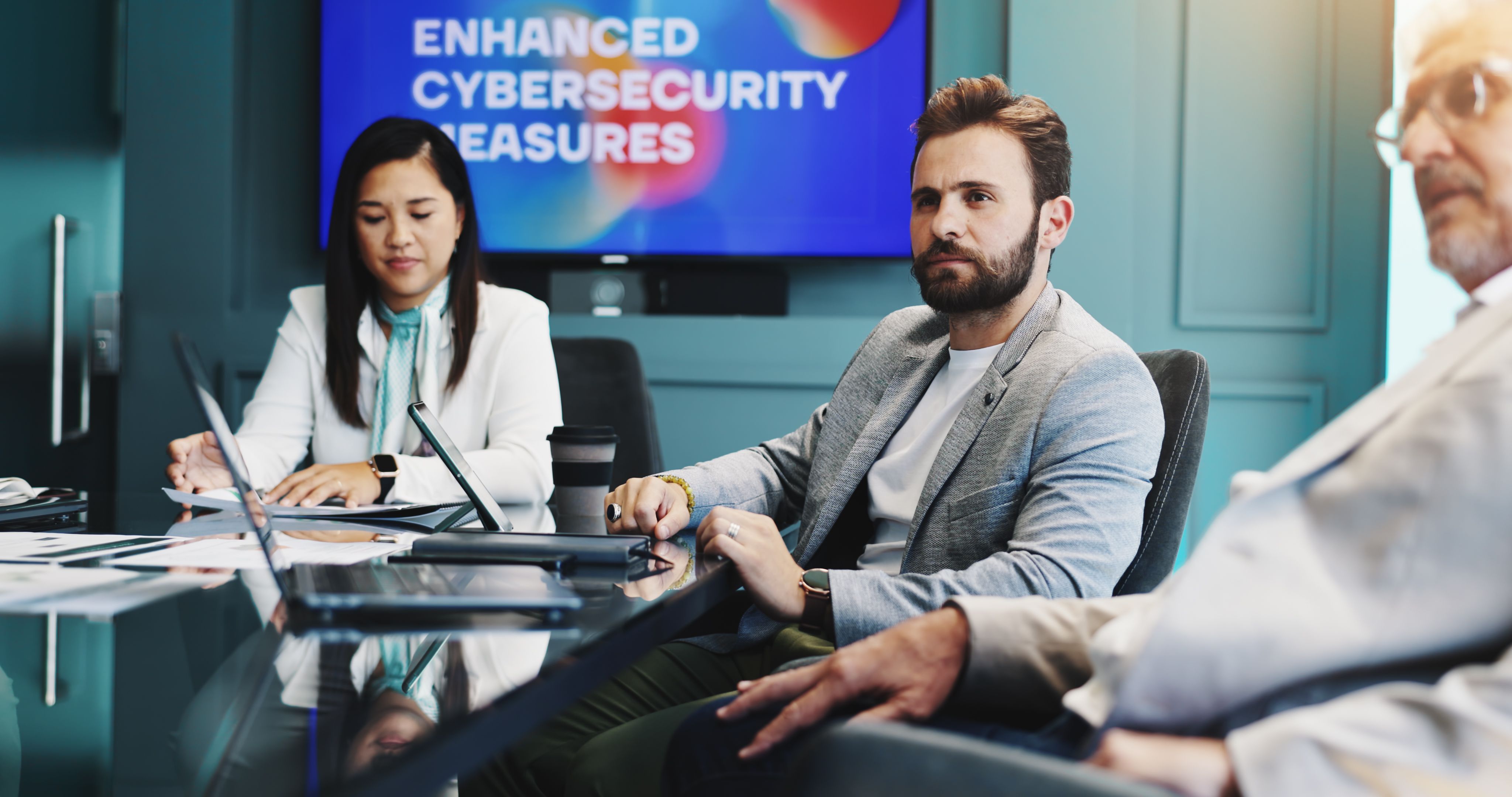
One of the most effective ways to enhance your cybersecurity posture is through employee training. Regular training sessions can help employees recognize and respond appropriately to potential threats. This proactive approach can prevent many cyber incidents before they occur.
The Role of Technology in Cybersecurity
Technology plays a crucial role in protecting small businesses from cyber threats. Implementing advanced security solutions such as multi-factor authentication and encryption can provide an additional layer of defense. Moreover, using secure cloud services can help protect data from unauthorized access.
Multi-Factor Authentication
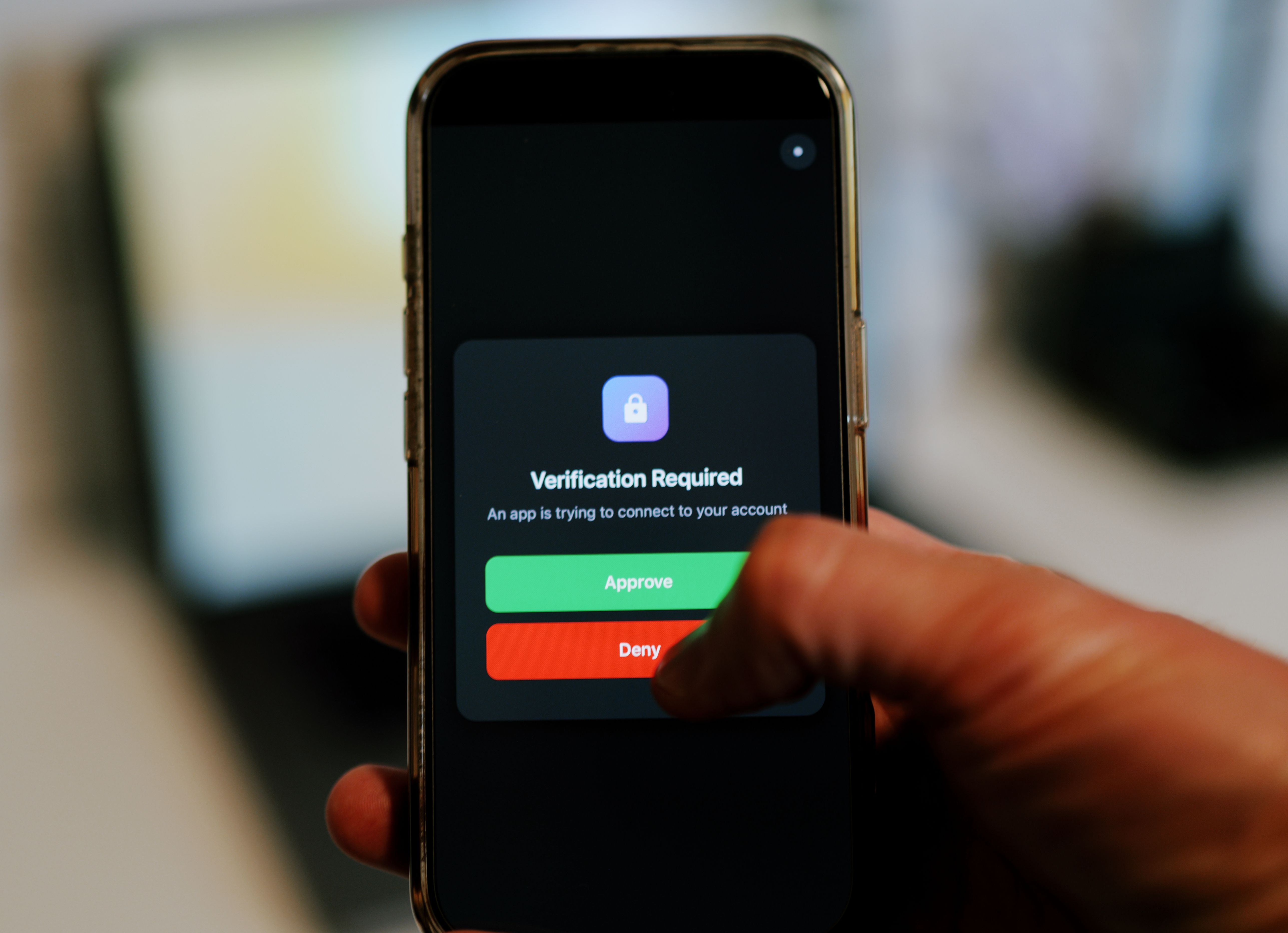
Multi-factor authentication (MFA) adds an extra layer of security by requiring users to provide two or more verification factors. This makes it significantly more difficult for unauthorized individuals to access sensitive information.
Staying Updated on Cybersecurity Trends
The cybersecurity landscape is constantly evolving, with new threats emerging regularly. Small businesses must stay informed about the latest cybersecurity trends and updates. Subscribing to cybersecurity newsletters and participating in relevant webinars can help keep your business informed.
Regular Software Updates
Ensuring that all software and systems are regularly updated is critical. Updates often contain patches for security vulnerabilities, and failing to apply them can leave your business exposed to attacks.
Conclusion
Cybersecurity is a critical aspect of running a small business in today's digital age. By understanding common threats, implementing strong security measures, training employees, and keeping up with the latest trends, small businesses can significantly enhance their cybersecurity posture and protect their valuable assets.